From forester’s house to aparthotel
Staying with us on the edge of the forest above Badstraße means staying in a house that has welcomed many generations of guests. Here we share what we know about its history — and about the town in which it stands.
The Försterhaus Lais
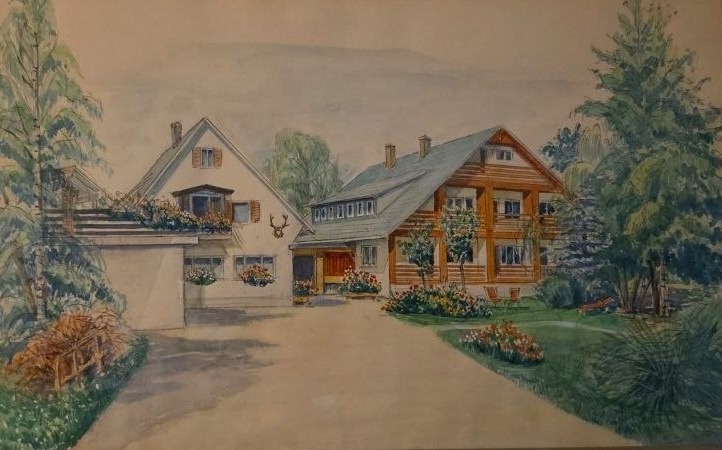
For decades our house in Badenweiler was known as the “Försterhaus Lais” (Lais Forester’s House) — a family-run hotel owned by the Lais family on the edge of the forest. The name itself tells of its origins: the word Förster (forester) stands for the forest and the hunt, which shaped life here on the slopes of the Blauen.
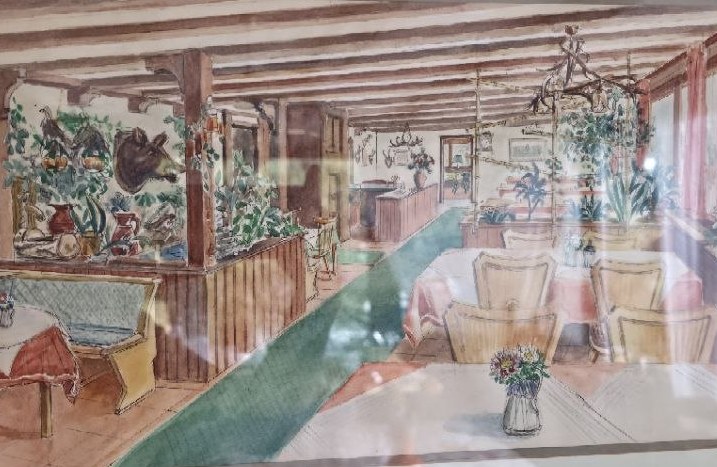
The property included “Haus Hubertus”, and the in-house restaurant was called the “Hubertusstuben” — named after Saint Hubert, the patron saint of hunters and foresters. Guests came to relax, to hike and to take the cure; many of them returned year after year.
Vitana and Tannenhof
In spring 2004 the Försterhaus became the “Vitana” nature and wellbeing hotel, still run by the Lais family. A few years later a new chapter began: today the house is Aparthotel Tannenhof.
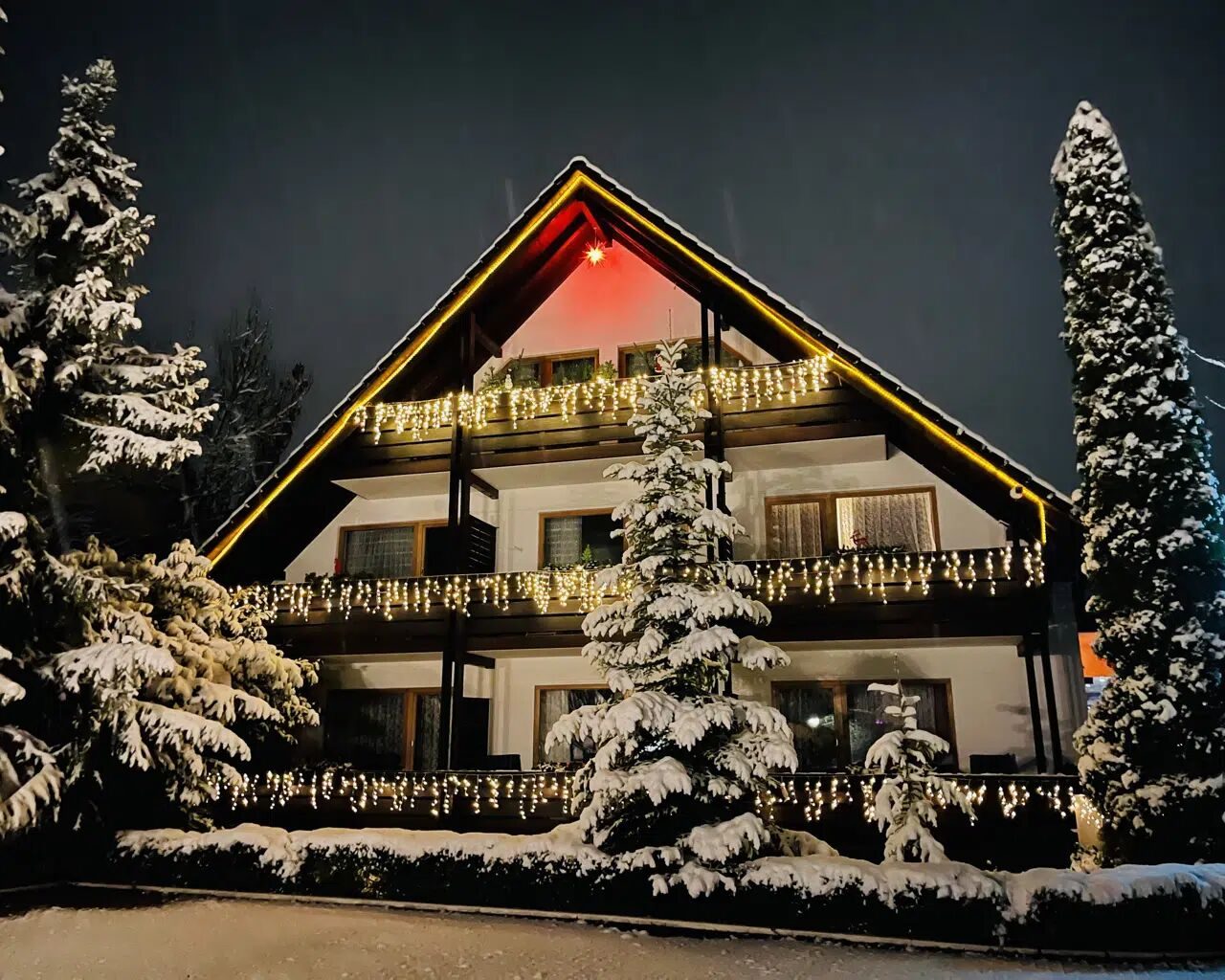
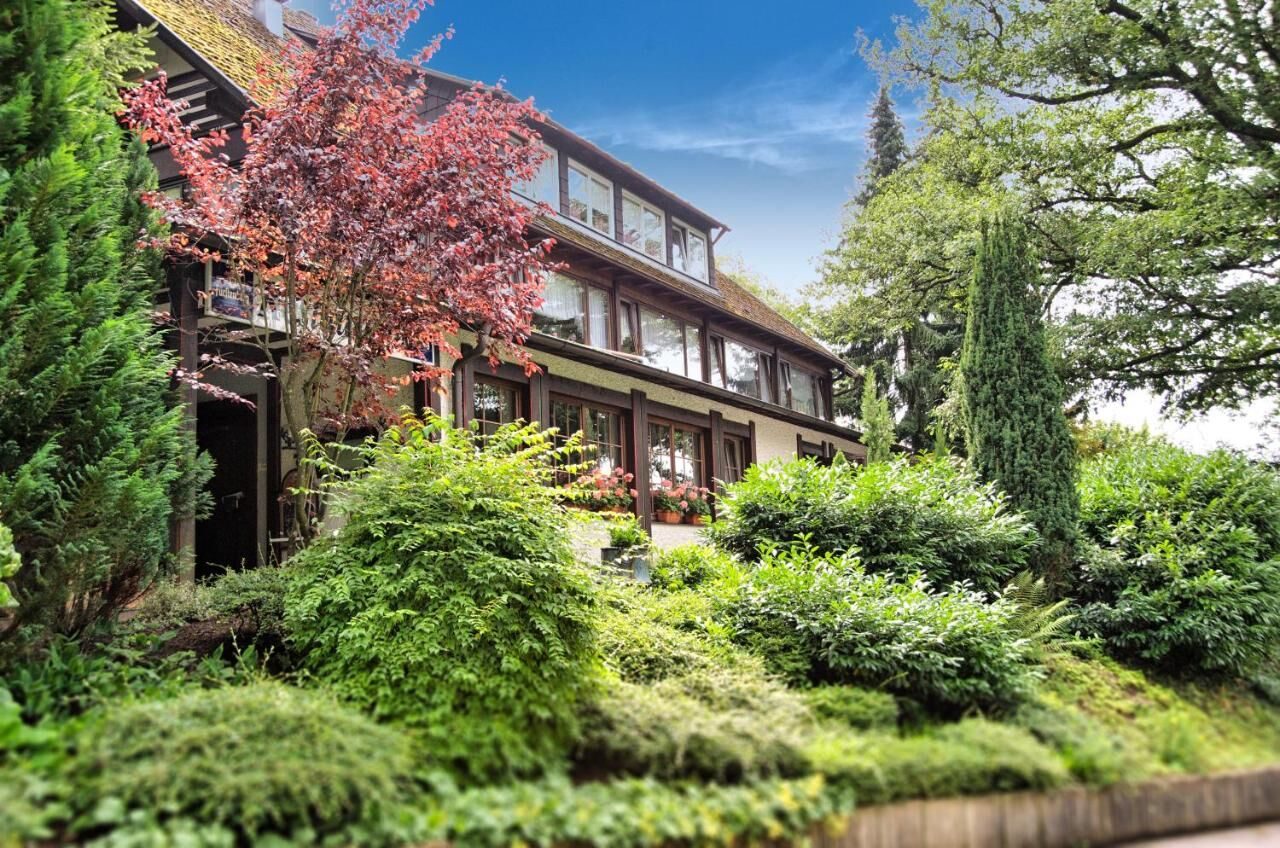
We have modernised the rooms and equipped each one with its own kitchenette — for guests who like to be independent. What has remained is the location on the edge of the forest, the garden, the balconies overlooking the greenery and the peace and quiet that the guests of the Försterhaus already appreciated.
Pictures from our house
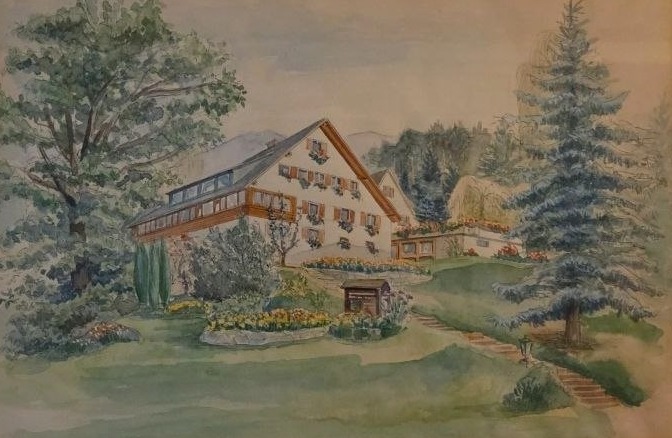
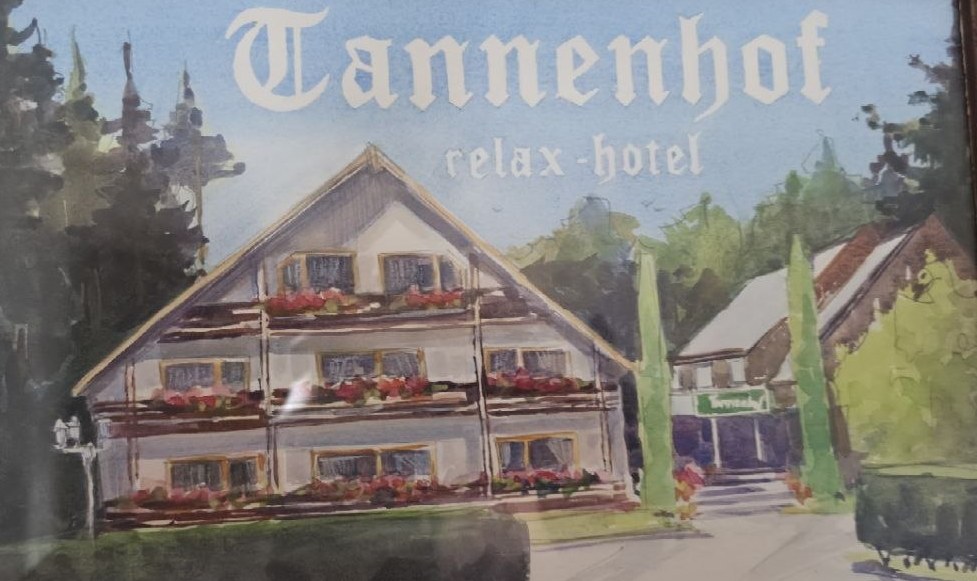
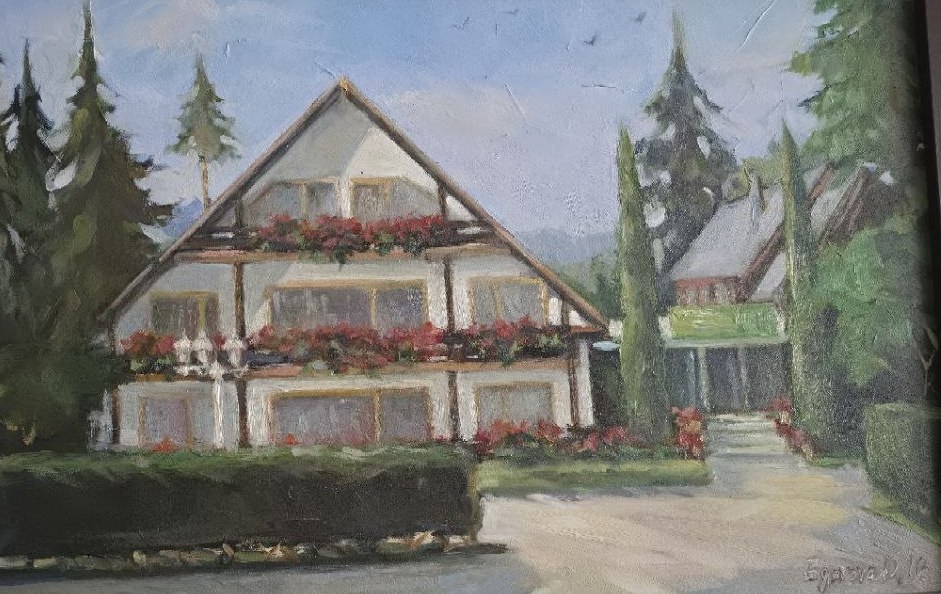
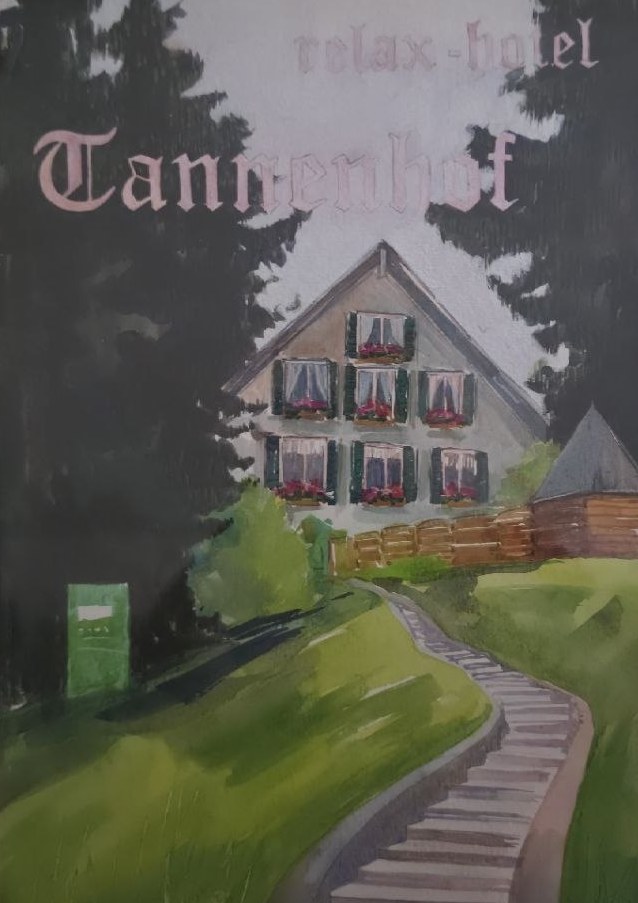
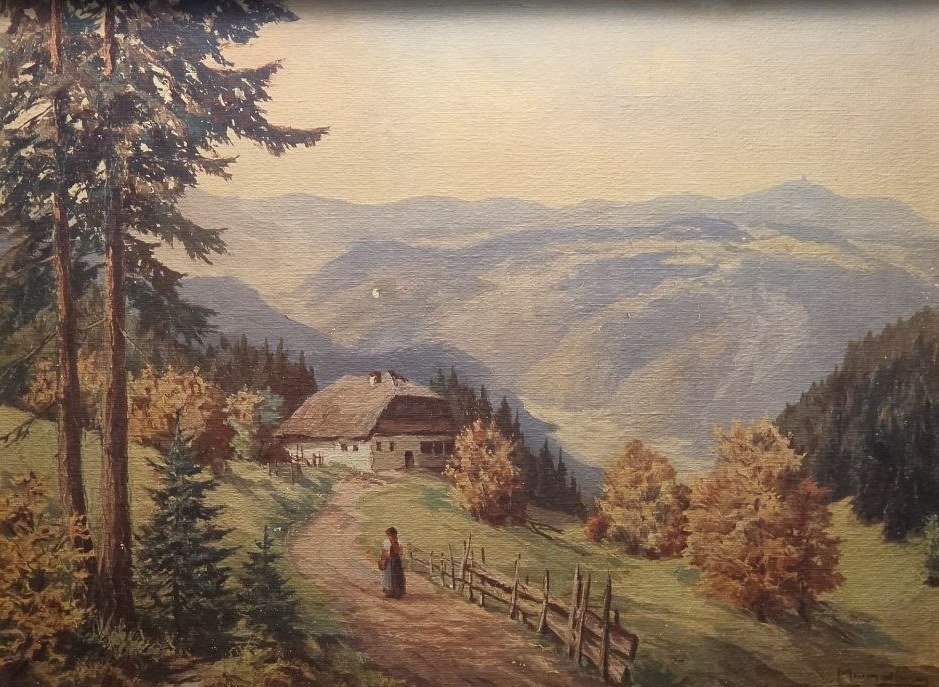
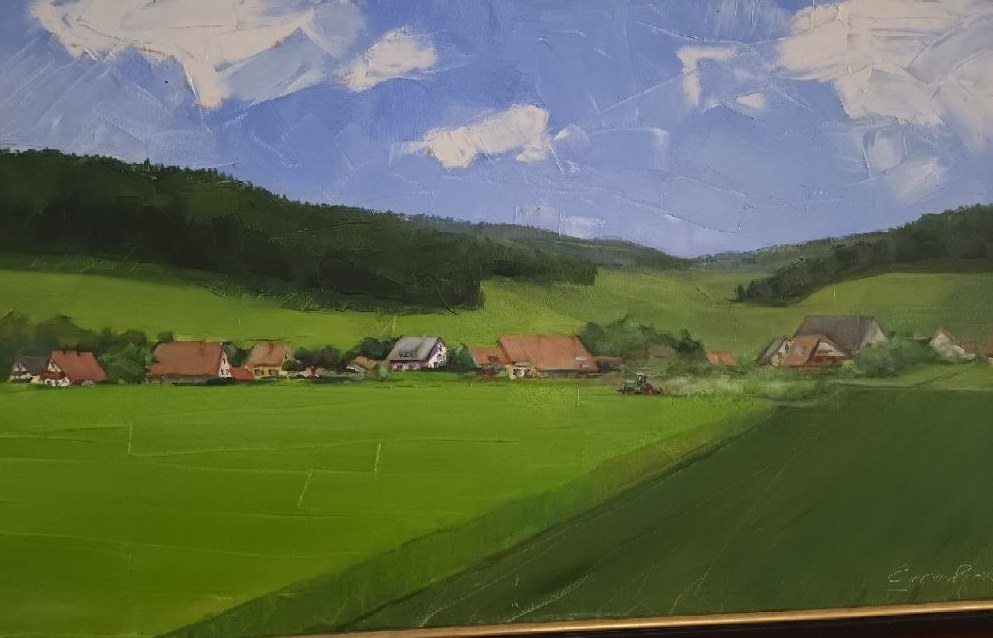
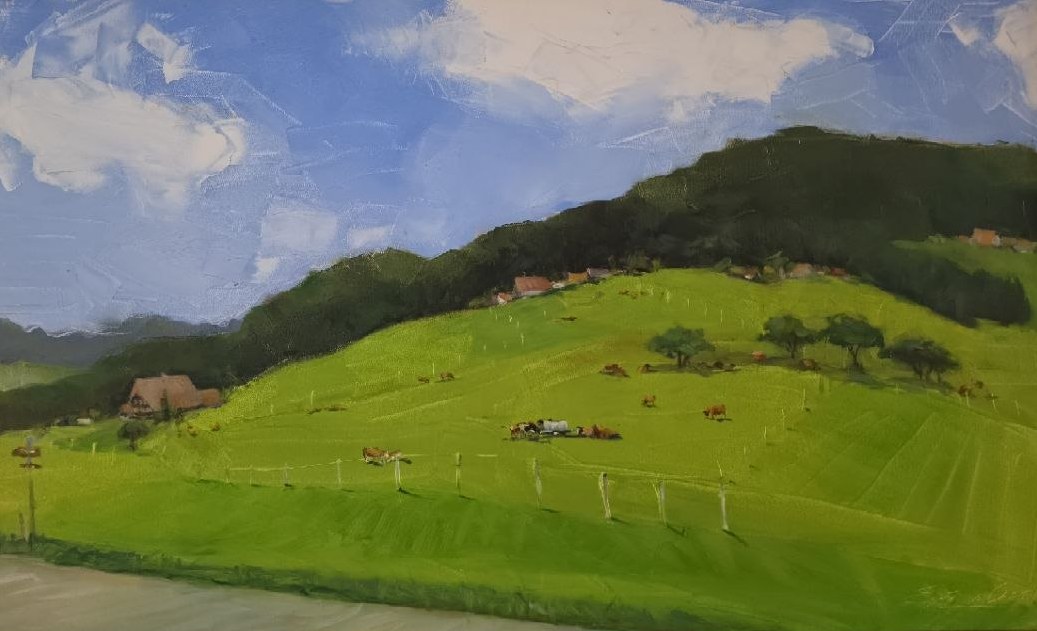
The corridors and rooms of the Tannenhof are hung with pictures of the house and the Black Forest landscape: old watercolours from the days of the Försterhaus and more recent paintings that we commissioned from an artist from the region. A small selection:
Do you remember the Försterhaus Lais?
Did you holiday here in the past, or do you have old photos, postcards or brochures of our house? We would be delighted to hear your memories — write to us at info@relax-tannenhof.de.